
November 6, 2026
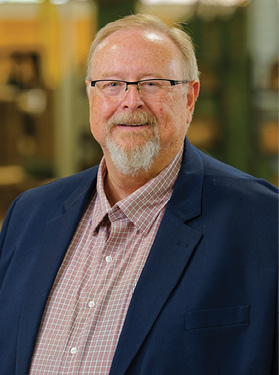
I’m just a guy who used to fix cars for a living.
I grew up outside Denver in a blue-collar household. My dad was a union sheet-metal worker. I loved hot rods—still do—and after high school, I went to mechanic’s school instead of college. I fixed cars, sold tools to guys who fixed cars, and at 22 needed a job.
A buddy told me the box plant down the street needed a sample cutter. I walked in. That was the last job I ever had outside this industry.
From Tharco to Deline to Buckeye to Tavens, where I’ve spent nearly 15 years, I moved through prepress, design, sales, and sales management. Now I have the privilege of serving as AICC chairman.
I didn’t get here because I was the smartest guy in the room. I got here because people took the time to teach me, one rung at a time. That’s why my theme this year is Raise the Bar: Train Your Frontline Leaders.
What concerns me most about our industry isn’t consolidation or AI. It’s watching a generation of skilled boxmakers retire faster than we’re replacing the knowledge they carry.
Corrugated is a hands-on business. Many of our best future leaders aren’t sitting in a résumé stack. They’re on our plant floors right now, solving problems nobody asked them to solve.
Too often, we take our best machine operator, make that person a supervisor, and expect everything else to sort itself out. It doesn’t.
Leadership isn’t a title. It’s a learned skill that must be taught and practiced every day, at every level. That starts with three things.
First, see it before it’s obvious. Who on your floor is already leading without the title? Who solves the problem on second shift? Who do others naturally turn to?
Find that person, and teach your supervisors how to find that person. We need leaders who spot problems, but we also need leaders who spot people. Don’t wait until someone is completely ready. None of us ever is. Identify potential early, demonstrate confidence, and build support around that person.
Second, teach people to lead. At Tavens, we have an employee named Mike Reese, affectionately known as the “Tiny Viking.” Mike had been written off by some as dependable, but not someone destined for more.
When we lost a lead operator, we made Mike the lead. We didn’t “give him a shot.” We committed to him. Then we provided coaching, training, and accountability. We defined excellence and kept moving the goalposts because Mike kept reaching them.
Teaching isn’t a luxury. It’s the job. Production pressures are real. Machines are running, orders are late, and customers are calling. But every difficult conversation we avoid today can become a larger problem tomorrow. I’d rather have an uncomfortable conversation on Tuesday than a crisis on Friday.
Third, build a tradesman, not just a trade. We need to stop talking about “working in a box plant” and describe this profession for what it is: Boxmaking is a trade.
It is skilled. It is technical. It is learned person-to-person like any craft worth mastering. We’ve sold that short for too long.
If we want younger employees to build careers in this industry, we need to show them the ladder: production associate to operator, operator to shift lead, shift lead to supervisor, supervisor to superintendent. Put it in writing. Show them the staircase. People cannot climb a ladder they cannot see.
Technology and automation will continue changing our plants. But that makes developing skilled people more important, not less. Technology can automate the repeatable. Our advantage as independent converters remains complex, custom work requiring judgment, flexibility, and craft.
Someone once saw something in me before I saw it in myself. In fact, many people did. They took time they didn’t have to teach me things I didn’t know.
There is someone like that working in your plant today. Go find that person. Then build the ladder for them.

Mike Schaefer
President, Tavens Packaging & Display Solutions
AICC Chairman
