
November 6, 2024
For packaging professionals, the trends in corrugated materials are more than just a passing fascination—they’re like discovering a hidden treasure chest full of new possibilities! Imagine this: You’re at the helm of a packaging design project, and instead of reaching for the same old materials, you’re exploring cutting-edge corrugated solutions that are as eco-friendly as they are innovative.
Picture a small, ambitious startup that makes artisanal chocolates. Its goal is to deliver not just a delicious treat but also an unforgettable unboxing experience that aligns with its commitment to sustainability. The company is in search of packaging that’s stylish and environmentally friendly. Enter the world of advanced corrugated materials. By opting for custom-designed, sustainable corrugated boxes that feature stunning print designs and protective layers made from recycled fibers, the startup is able to captivate its customers while reducing its environmental footprint.
In this article, we take a deep dive into how the trends in corrugated materials are revolutionizing the packaging industry. From optimizing packaging solutions to enhancing sustainability and adapting to ever-evolving market demands, we explore how packaging professionals can harness these innovations to stay ahead.
Let’s kick things off with a key topic in today’s world—sustainability and eco-friendly innovations in the packaging industry. This includes using recycled materials and compostable coatings and reducing overall waste. Professionals need to create packaging solutions that align with sustainability objectives. One way is by examining the United Nations’ sustainable packaging goals, which can provide a foundation for developing effective strategies. A suggested approach might involve designing corrugated packaging that features a greater proportion of recycled fibers or adopting construction techniques that facilitate easier recycling. For example, you could use corrugated materials made from post-consumer recycled content of old corrugated containers or opt for designs that minimize the use of adhesives and coatings, which can complicate the recycling process.
Education is key here; staying informed on the evolving regulations and standards for sustainable packaging helps ensure compliance and positions companies as leaders in eco-friendly practices. Our partners at the Sustainable Packaging Coalition offer valuable resources on this subject, including its comprehensive guide on the recyclability of paper packaging.
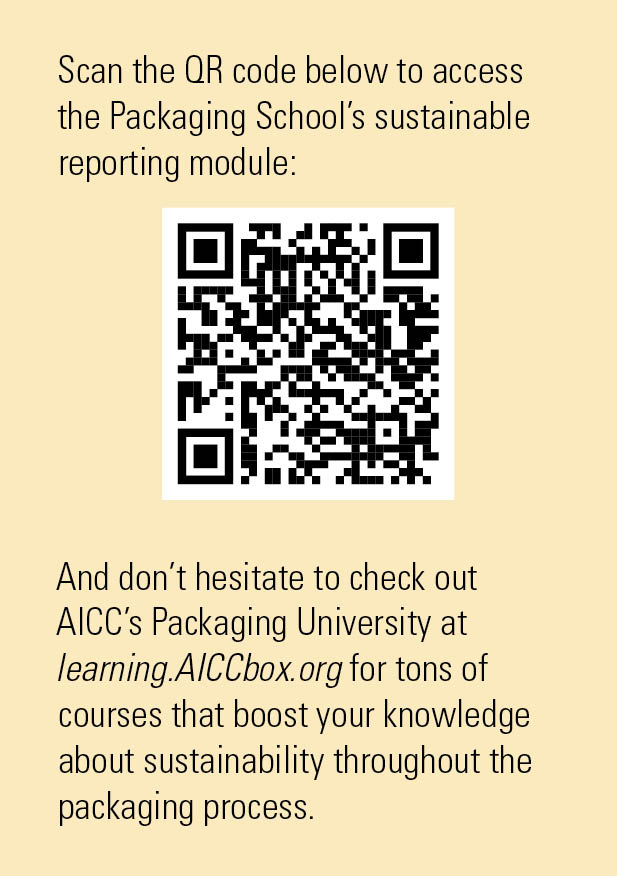
With an increasing focus on regulations related to packaging, encompassing recyclability, food safety, and labeling, packaging professionals must prioritize compliance management to ensure their designs meet all relevant standards. This requires up-to-date information on all pertinent legislation and incorporating necessary features into packaging. Sustainability reporting is also becoming crucial because it involves providing transparency in sustainability efforts and packaging practices, including reporting on material sourcing, recycling rates, and overall environmental impact. The Packaging School can support professionals in this area through its sustainability reporting module, which offers comprehensive guidance on navigating regulatory requirements and effectively communicating sustainability achievements.
Another trend becoming increasingly popular is the customization of corrugated packaging for branding and unique consumer experiences. Creating custom designs in which printing occurs directly on the corrugated packaging not only strengthens brand identity but also enhances consumer appeal. This could include incorporating high-quality graphics, developing unique structural designs, or adding special finishes that make the packaging stand out on the shelf to create a memorable impression. Designing packaging that provides a more engaging or interactive experience for consumers—such as incorporating custom shapes or designs that enhance the unboxing experience—can boost customer satisfaction and brand loyalty.
There is an ongoing push for cost-effective packaging solutions that maintain high-quality and performance standards. For packaging professionals, this trend means diving into thorough cost analysis and optimizing packaging designs to balance cost with functionality. This includes evaluating the total cost of ownership—factoring in production, transportation, and disposal. Moreover, streamlining production processes to reduce waste and lower costs is essential. By implementing more efficient manufacturing techniques or enhancing material utilization, you can boost cost-effectiveness without compromising quality. Incorporating education into your team culture can further amplify these efforts, ensuring everyone is equipped with the latest knowledge and skills to innovate and excel in this dynamic field.
Lastly, the integration of technology into corrugated packaging is a growing trend, encompassing innovations such as smart packaging solutions and advanced printing techniques. For packaging professionals, this means exploring the use of quick response (QR) codes, near-field communication (NFC) tags, or sensors embedded in corrugated packaging to offer additional information or improve traceability.
In summary, corrugated packaging pros need to keep their finger on the pulse of the latest trends to stay ahead in the game and meet the ever-changing demands of consumers and regulators. By diving into the latest advancements in corrugated materials and embracing cutting-edge, sustainable, and cost-effective design practices, you can supercharge your packaging solutions and shine in the marketplace.
Continued education plays a crucial role in this journey, ensuring you stay current with emerging trends and technologies. By committing to ongoing learning, you’ll be better equipped to innovate and adapt, keeping your packaging solutions at the forefront of the industry and giving you a competitive edge. Think of it as leveling up your packaging game—where every trend is a new power-up to boost your success and keep your creations on the cutting edge
of innovation.

Julie Rice Suggs, Ph.D., is academic director at the Packaging School. She can be reached at 330-774-8542 or julie@packagingschool.com.

Alli Keigley, who contributed to this article, is production coordinator at the Packaging School. She can be reached at alli@packagingschool.com.
