
March 12, 2026
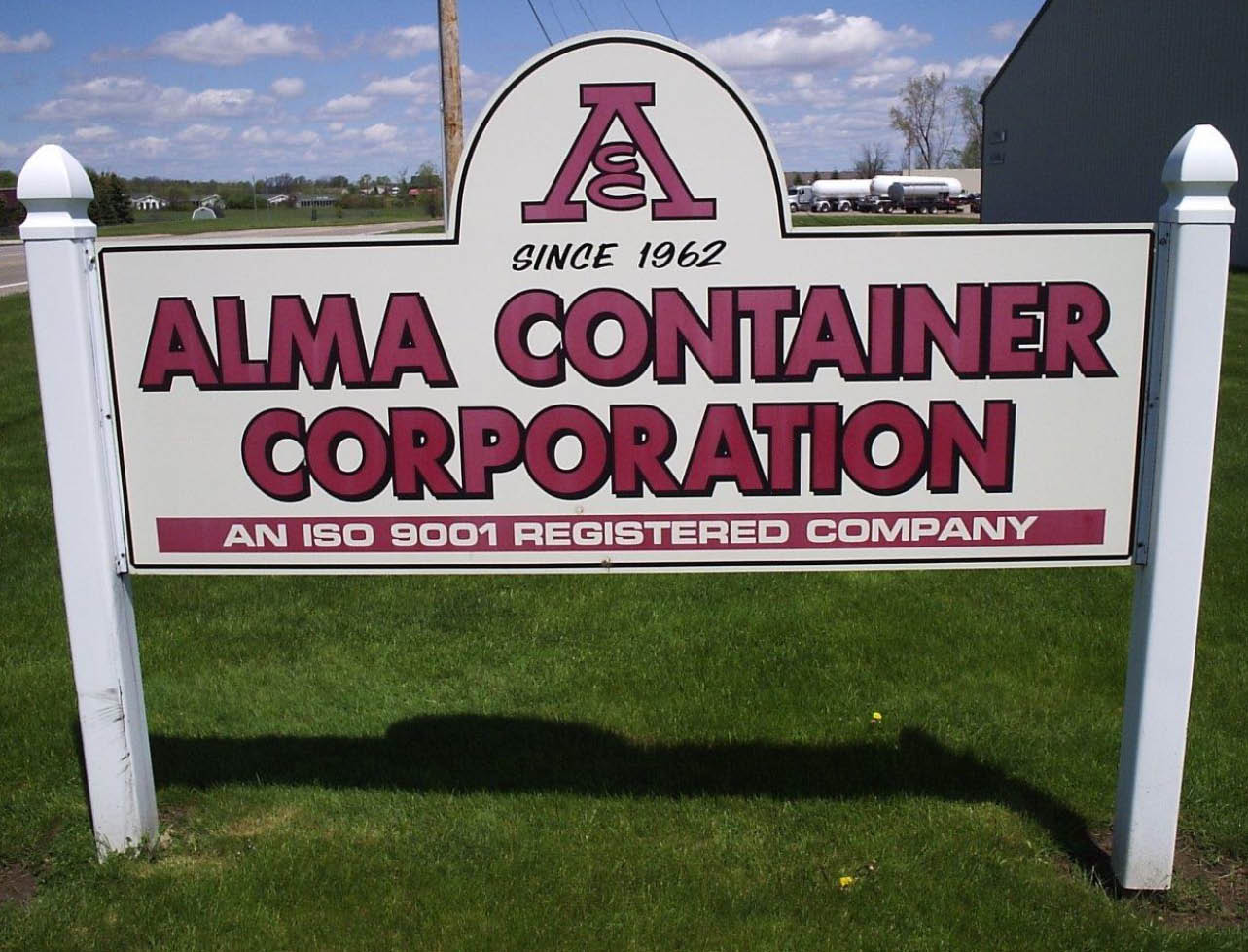
Company: Alma Container Corp.
Established: 1962
Joined AICC: 2002
Phone: 989-463-2106
Website: www.almacontainer.com
Headquarters: Alma, Michigan
President: Michael Maybank
The first thing Alma Container President Michael Maybank will tell you about the company is very simple: “We sell boxes.” Then he laughs and explains what makes the company special: “There are four or five hundred companies in Michigan that sell boxes. What we really sell is service. That’s the difference.”
Alma Container is a family-owned corrugated plant just west of the geographic center of Michigan’s Lower Peninsula. That location was no accident. It was strategically positioned there by its founders more than 60 years ago so that every major metro area in the region could receive deliveries in about two hours.
But, while the locale is definitely a competitive advantage, it’s not just location that has allowed Alma Container to weather recessions, customer losses, and an industry that has consolidated around much larger players.
What’s sustained Alma Container over six decades is a simple set of habits: pick up the phone, solve problems, keep people, and keep reinvesting even when it feels risky.
From “Temp Job” to 41 Years
Maybank didn’t start at Alma Container planning to run the place. While he was studying biology at Central Michigan University, his goal was to land a job with the Department of Natural Resources. But, when a hiring freeze shut the door on that dream, he came to Alma Container part time through his sister’s in-laws, who owned the company.
Initially, he did whatever work needed to be done—from driving vans, to working on the production floor, to rebuilding old equipment to squeeze just a bit more life out of it. His plan was to work for a while and move on. That, of course, didn’t happen.
Over time, he earned an MBA,
moved into production management, learned about the finance side of the business, and eventually took on the
role of president. Ownership of the company shifted from founder Ralph Legene to Maybank’s brother‑in‑law, and then to Maybank and his sister, Katheryn Legene, who now owns
60% of the business. “My sister is the perfect silent partner,” he says. “She lets me run the business and keep my nephews employed.”
A Near-Wipeout That Still Shapes Decisions
Alma Container began in 1962 when a salesman—depending on who is remembering, he sold either insurance or ink—asked potential customers if they would buy boxes from him. Enough said yes that he opened a plant in Alma and hired Ralph, who had been at Olincraft, to actually run the box shop. Ralph built the reputation, knew the customers, and kept the orders flowing.
Then he went on vacation. When he came back, three salesmen and most of the office staff had walked out to start a competing business and had taken a big chunk of the customer list with them.
“They basically told him, ‘We don’t work here anymore. You don’t have customers. You don’t have orders. Have a nice life,’” Maybank says. Five locations of a plastic injection molding company decided that wasn’t how they wanted to do business. They stayed. From that tiny base, Ralph rebuilt.
That episode left a clear lesson: Don’t give up control too easily. For years the internal philosophy was, as Maybank puts it, “If I can’t touch it, I’m not letting someone else control it.” That mindset protected the company from another surprise like the walkout. It also had a downside that took longer to show up. When your biggest customers are your close friends and everyone is about the same age, those relationships tend to wind down at the same time.
Moving Beyond Automotive Dependence
By the late 2000s, Maybank could see the risks of leaning too hard on automotive-related work. In Michigan, that dependence extends further than people might think. “Even if you’re a grocery store here, you’re automotive,” he says. “If your customers lose their paychecks, you feel it.”
Alma Container started making a point of chasing work in other areas: textiles, foam, and a list of smaller, less obvious industrial accounts. The company liked customers who were just starting to scale and needed a packaging partner who would sit with them, listen, and adjust. “We look for the little guy with the great idea,” Maybank says. “We get in early, help them figure things out, and usually they stick with us.”
That decision looked especially smart during the automotive recession, when revenue fell from roughly $4 million to $2 million. While the newer accounts didn’t erase the losses, they did offer a path forward. During the COVID-19 pandemic, that diversification proved particularly valuable. Then, Alma Container found that work tied to medical suppliers, and e‑commerce thermal packaging for meal delivery, added volume at a time when many traditional customers were slowing or pausing orders.
Balancing History and Modernization
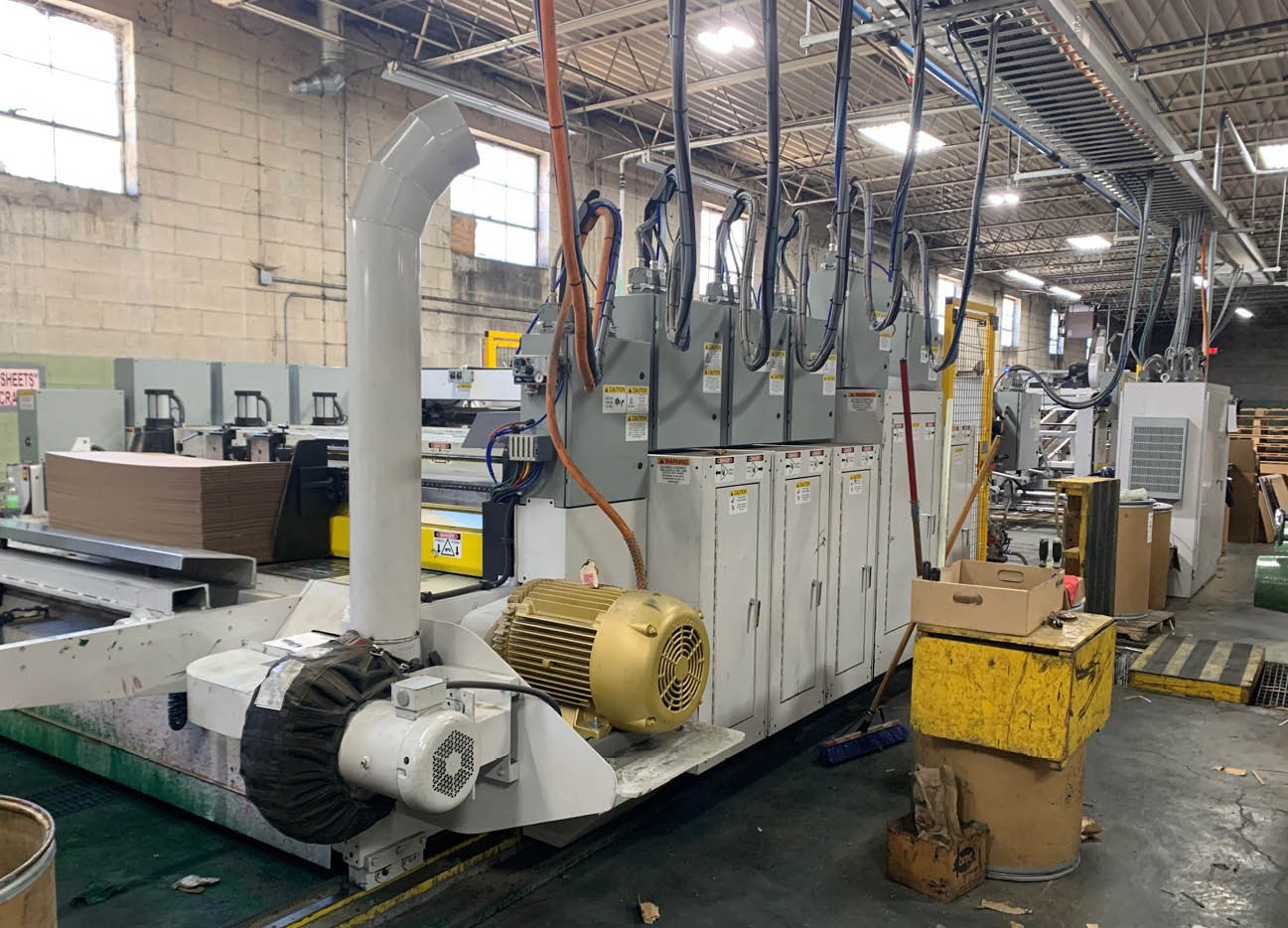
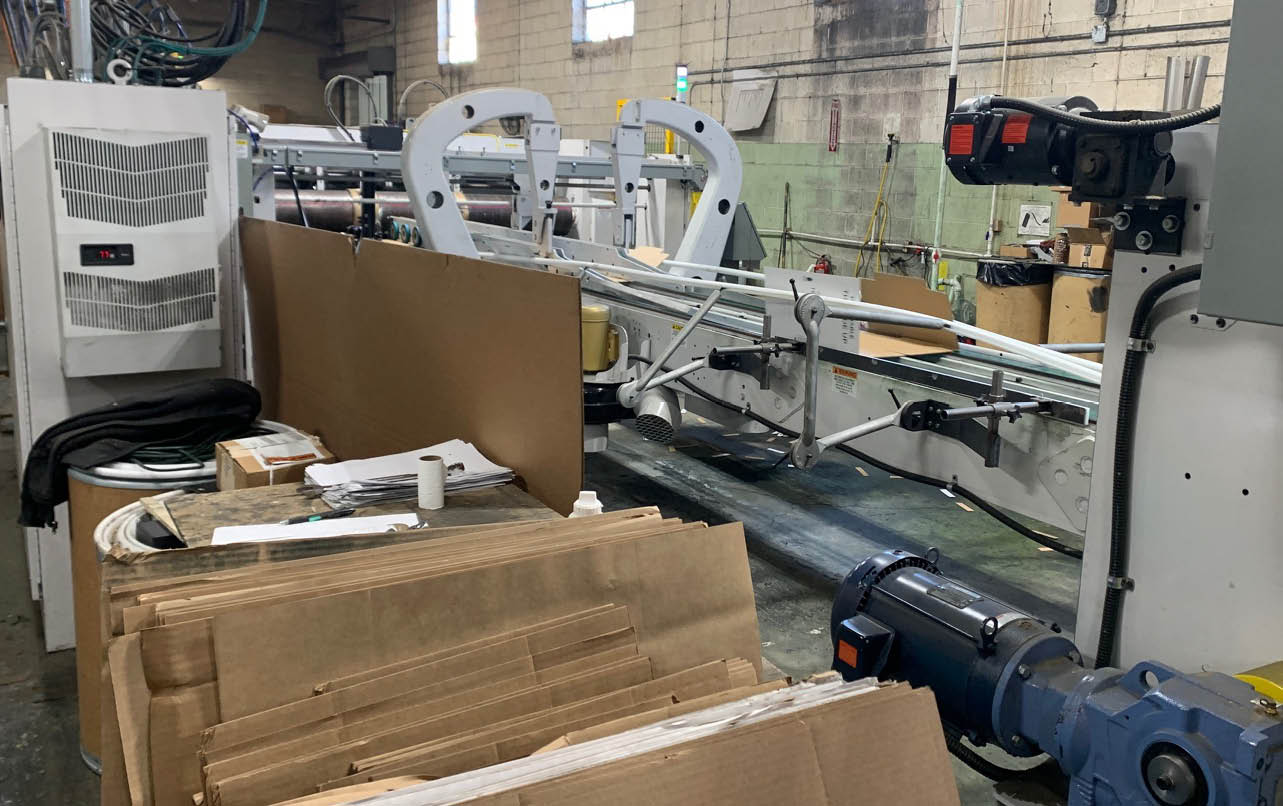
Alma Container’s production floor mirrors its approach: a mix of old and new. About 18 months ago, a three‑color flexo folder-gluer with a rotary die cutter was installed. The machine is a rebuilt S&S unit—its frame is around 50 years old—but it now runs with modern servo drives.
“In one sense, it’s state‑of‑the‑art,” Maybank says. “In another sense, it’s older than some of the people we’re hiring.”
That blend fits. The company tends to squeeze value out of what it has, but it is not shy about spending where it makes a difference.
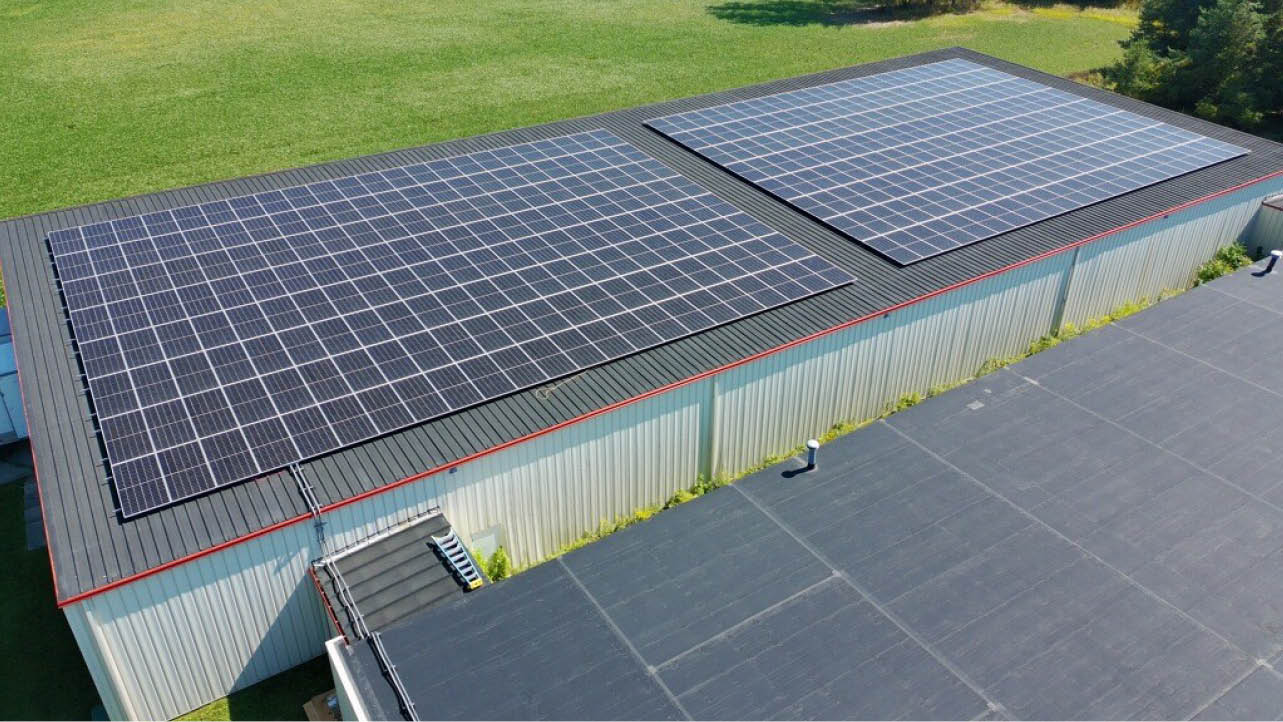
Another area of investment that will make a difference is Alma Container’s new solar energy system, which went live in 2025. During the summer, it will produce about 120% of the plant’s annual energy needs and send excess power back to the grid, banking credits for winter. The goal, says Maybank, is to operate at a net‑zero carbon footprint within about a year.
The environmental impact matters to Maybank personally, but it’s also resonating with several key customers with parent companies based in Europe, he says. The solar project has also become a talking point that sets Alma Container apart in a crowded market. Next on the list is replacing delivery vans with electric vehicles.
Four-Day Weeks, Long Tenures, and Attention to Detail
Alma Container also takes a modern approach to staffing, in line with its family-oriented culture. Fifteen years ago, the company moved production to a single shift over a four-day work week based on a simple idea: Give people three-day weekends so they have time for family, rest, and other personal pursuits.
“It helped with employee retention because they had three-day weekends to spend with their families,” Maybank says. “You’ve got a sick kid? Take care of your sick kid. We’ll cover for you.”
The company runs with between 20 and 25 employees. One has been with the company for 44 years; three others have been there as long as Maybank. Another employee is working part time while studying to become an anesthesiologist; the plant builds her schedule around classes and clinical work.
That flexibility and support of work-life balance builds loyalty, tenure, and exceptional customer support. When a customer walks in asking for a new package design, Maybank’s team doesn’t just consider dimensions and stacking strength. They ask questions about customers, lines, and equipment.
“What does your customer actually want to see? How is this going down your automated line? What do your conveyors look like? Your assembly? We try to see the whole picture,” Maybank says.
Looking to the Future
After more than four decades in the building, Maybank is practical about what comes next. His two children are not interested in working in corrugated, and he doesn’t push it. Longer-term, he likes the idea of some kind of employee ownership so that the people who have built Alma Container have a stake in its next chapter.
In the near term, the focus is clear: Invest steadily in equipment and sustainability, support a newly hired salesman who is charged with finding the next wave of customers, and keep leaning on the service-first mindset that has carried the company from about $1 million to $6 million in revenue.
From a part‑time college job to president, from heavy dependence on automotive to a much more balanced book of business, Maybank’s own story runs parallel to Alma Container’s. Both have changed shape as circumstances have changed, but both have also prioritized keeping the core intact.
Both Maybank and Alma Container remain committed to showing up for the long term, whatever new challenges that may bring.

Lin Grensing Pophal is a Wisconsin-based freelance journalist.
