
May 11, 2026
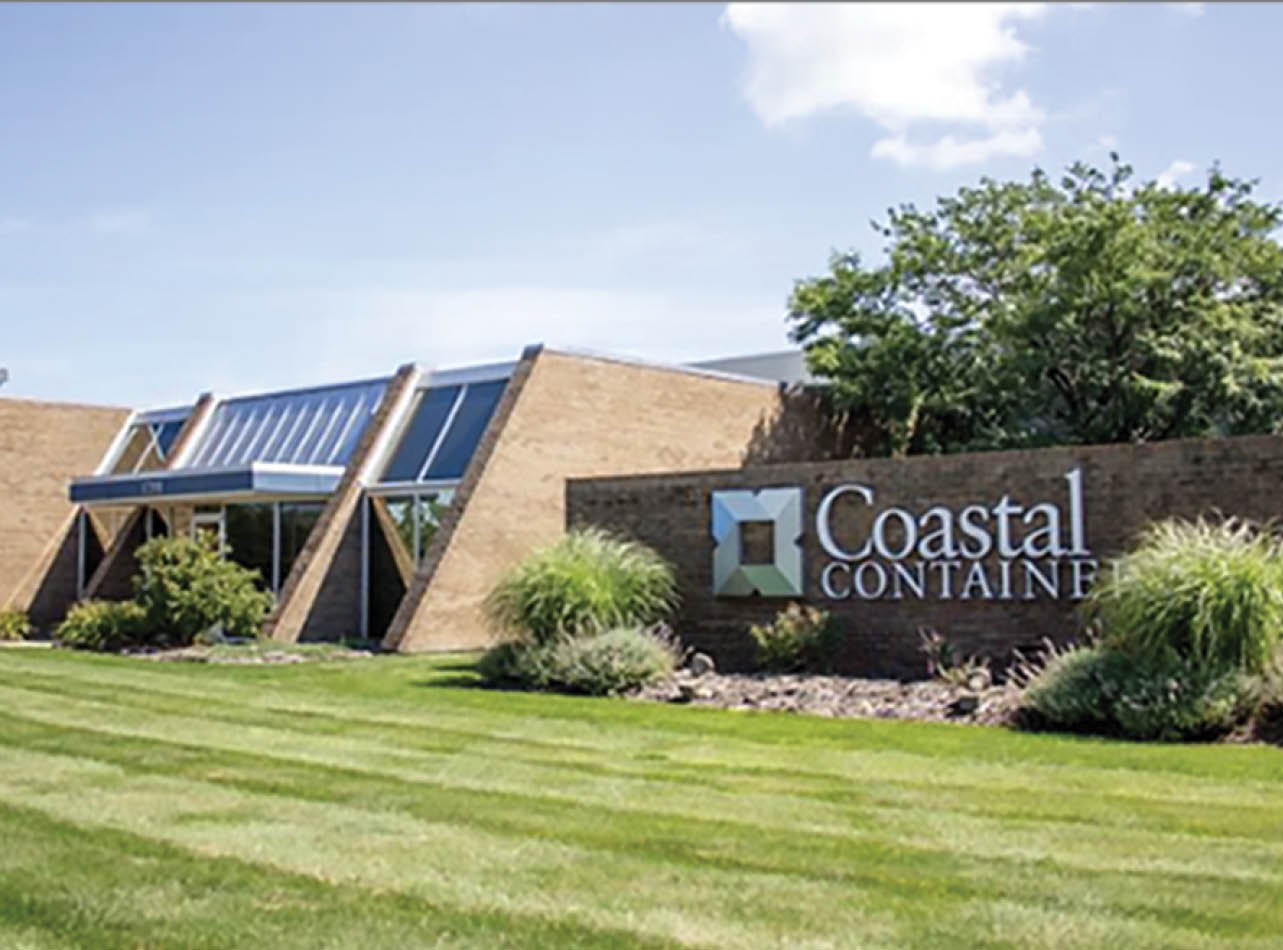
Company: Coastal Container
Established: 2007
Joined AICC: 2014
Phone: 616-355-9800
Website: www.coastal-container.com
Headquarters: Holland, Michigan
Owner & CEO: Brent Patterson
There’s a saying at Coastal Container that doubles as a philosophy: “Give us another six months.”
It’s the kind of line that makes sense only when you understand the pace at which this West Michigan-based independent corrugated manufacturer has been evolving—and the decades of hard-won expertise that make that confidence earned, not boastful.
“That’s the kind of evolution that we manage here,” says Vice President and General Manager Nate Hoekstra, who has worked alongside owner and CEO Brent Patterson for more than 16 years.
But to understand where Coastal Container is going, it’s important to start with where this family business began.
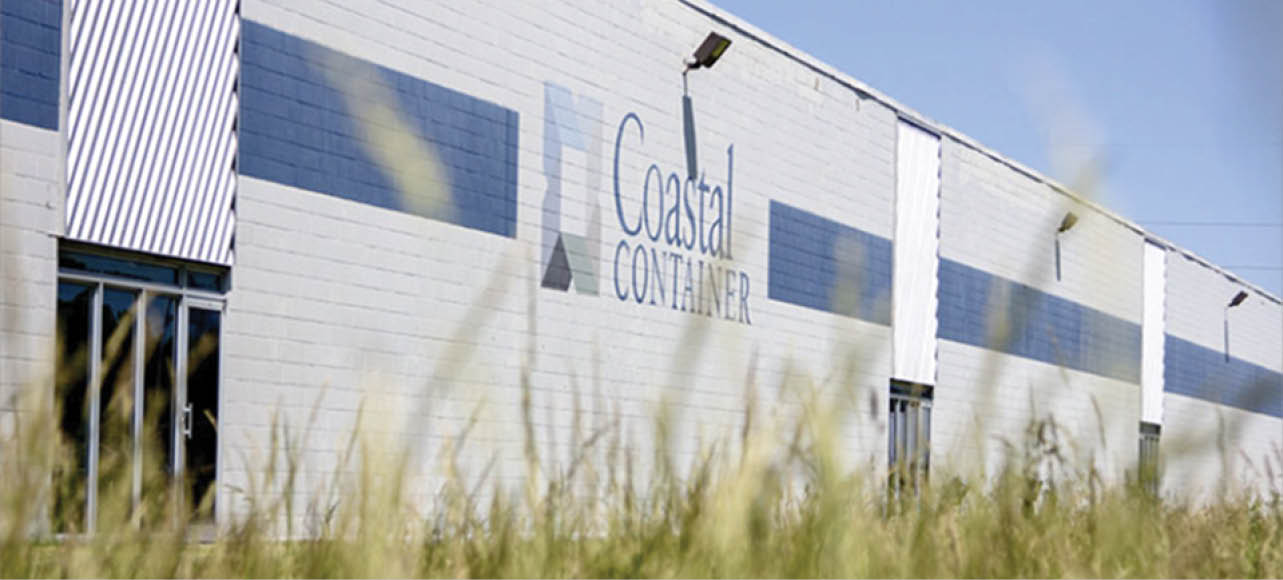
A Family Business, Six Decades Deep
The Patterson family’s connection to corrugated stretches back to 1962, when Patterson’s father founded a company called Patt’s Paper Specialties in Michigan. It was a true mom-and-pop operation—Patterson’s mother handled payroll, bookkeeping, and insurance.
By the time Brent was a teenager, most of those responsibilities had been handed over to him. “I started working in the company every day after school starting in 1977 as a 14-year-old,” Patterson recalls. “I’ve been working in the corrugated business for 49 years.”
By 22, he was general manager. At 25, president. He bought the company from his parents at 27. It was a path he describes candidly as “fast and furious”—not one he’d necessarily recommend to most 20-somethings, but one that gave him an unusually complete command of every facet of the business.
The company has operated under various names and structures over the years. In 1993, Patterson founded Five Star Sheets, a five-partner independent corrugator cooperative that came online at the end of 1996. He sold that venture in 2006 and, in 2007, Coastal Container was born. “When we moved over here, the attraction for the space was the building, the location, the access to rail,” he says. “I wanted to put my own corrugator in this facility.”
A Full-Line Independent in an Integrated World
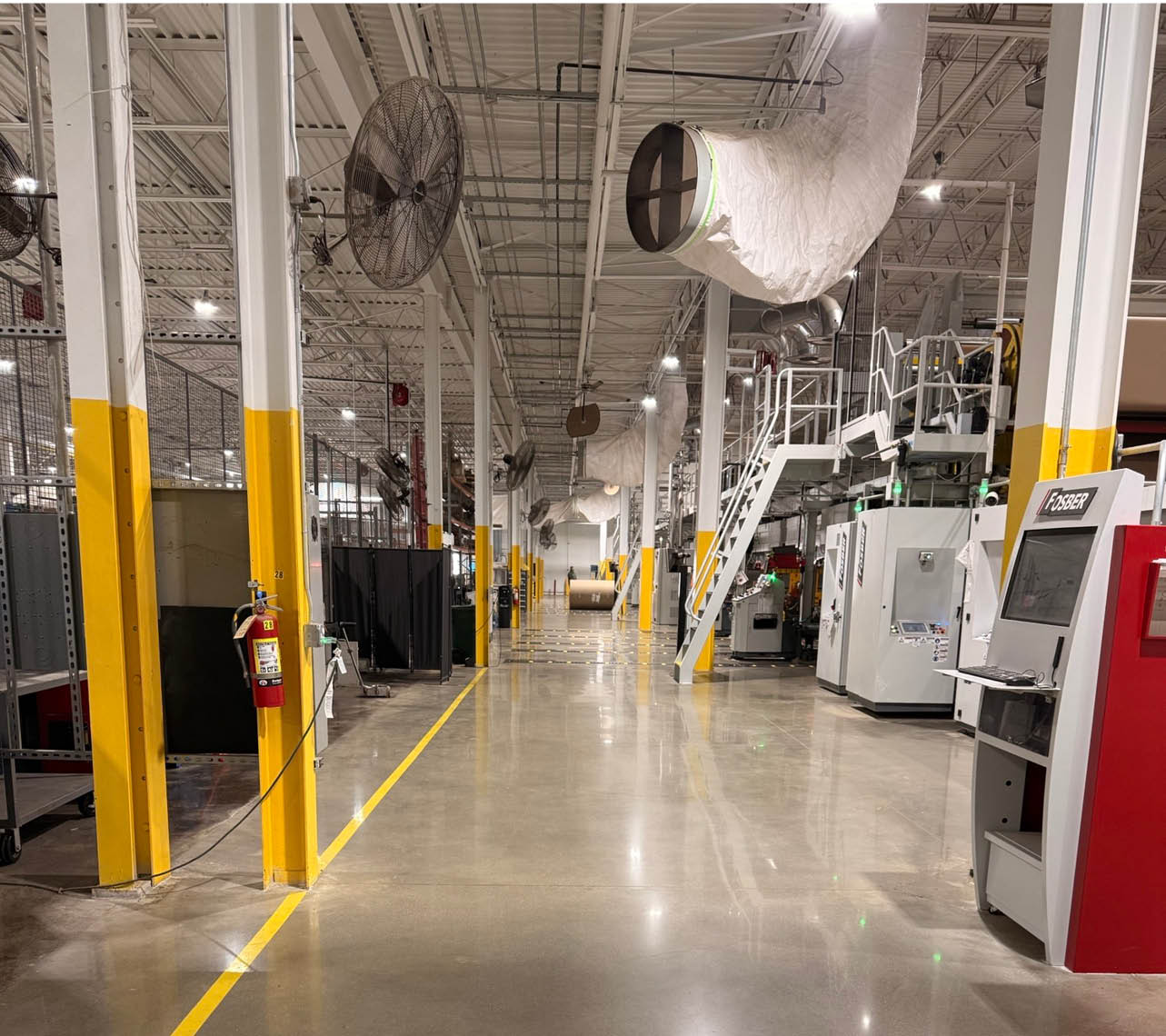
That vision took shape in 2023, when Coastal installed a new 110″ Fosber corrugator and expanded its facility from 225,000 to 285,000 square feet. The expansion also brought rail inside the building, a feature that allows seven rail cars to be accommodated simultaneously under one roof.
“Indoor rail for an independent like us is something that gave us real flexibility,” Patterson notes.
Hoekstra puts the broader context succinctly. To be able to accommodate rail, he says, “You’ve got to have the real estate, and Brent had the foresight when looking for a new facility to find real estate that had that opportunity.”
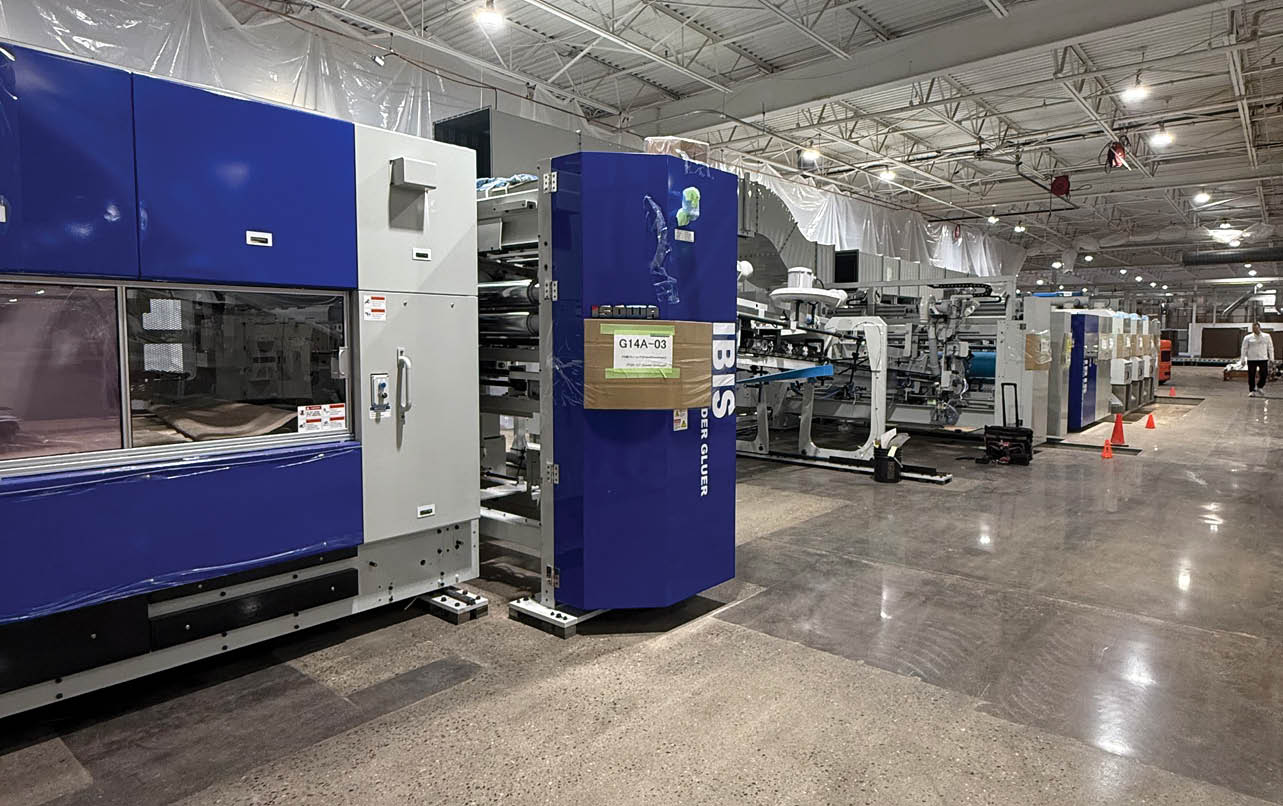
The corrugator investment coincided with a wholesale reimagining of the plant’s layout and infrastructure. New autonomous transfer cars, Dücker mesh-top conveyor systems, motion-sensor LED lighting, polished and diamond-cut factory floors, and a fresh coat of paint inside and out have transformed the facility into what tour guests describe as a clean-room-type environment. “We intended our manufacturing space to be as clean or cleaner than those entrusting us with their business,” Hoekstra says.
“The plant is recruiting constantly,” he adds. “It’s recruiting employees, suppliers, and customers. Everything screams quality. Everything screams organization.”
That philosophy has earned validation from notable sources—from the industry and the buying community. A common response following a tour of Coastal Container: “This is one of the nicest independent plants I’ve ever been in.”
Filling a Vacuum in the Marketplace
That recognition carries weight in a market that has shifted dramatically. Patterson notes that Michigan’s independent corrugated sector has contracted significantly over the years as many former independents have been acquired by larger integrated producers. Today, only three independent corrugators remain in the state.
“We’re one of the biggest independents in our marketplace now,” he says. “The normal public out there wants to deal with independents, but it’s hard to find one that can meet their needs. We’re filling that vacuum.”
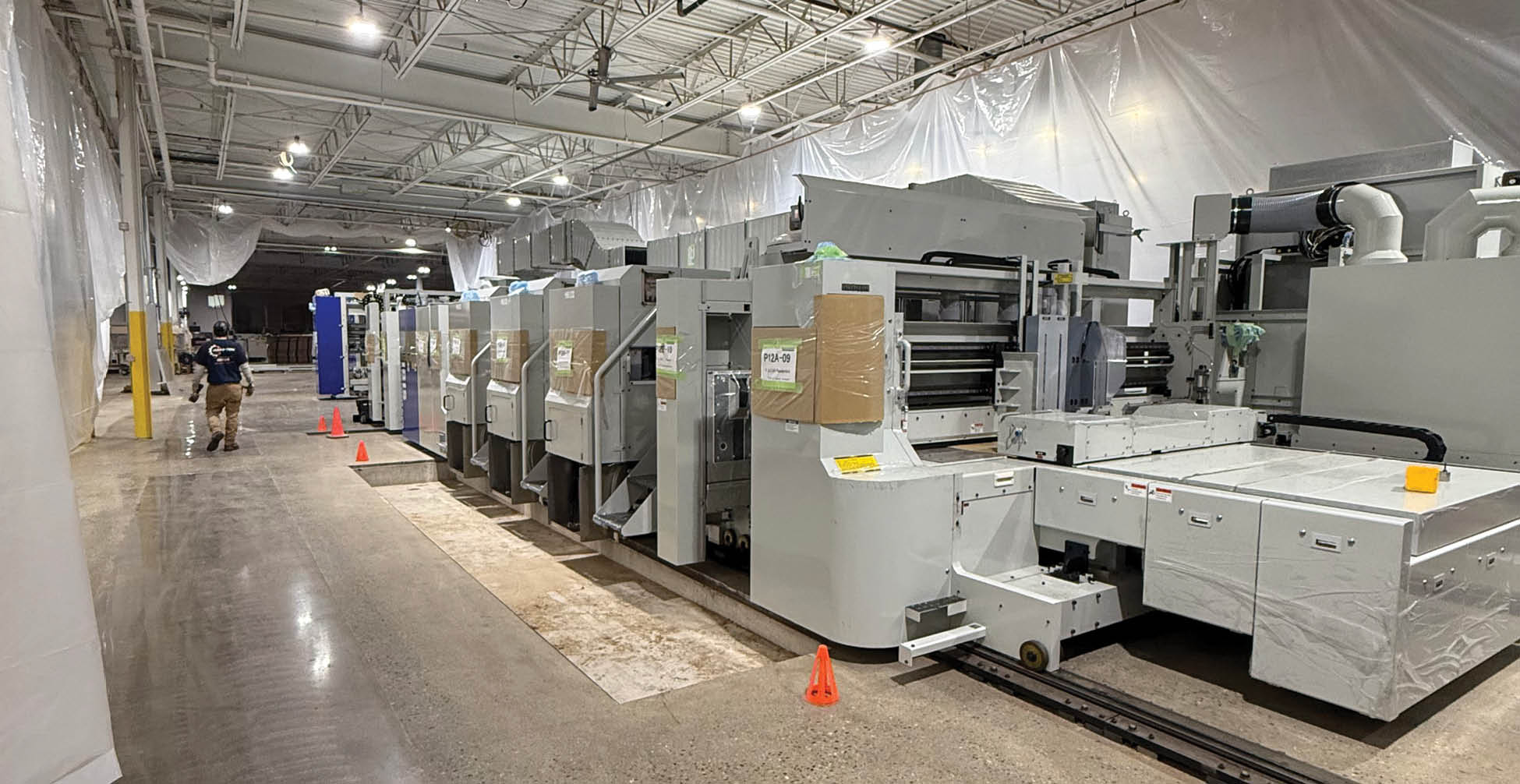
Coastal is currently in the midst of an $11 million to $12 million converting expansion that will add two state-of-the-art flexo folder-gluers: a three-color Ibis and a four-color Falcon, configured in a mirrored setup—one right-hand, one left-hand operation—with shared crew capability and fully autonomous Dücker pre-feeders and palletizers at both ends. The Ibis is already installed; the Falcon arrived earlier this year, with full project completion expected by mid-June.
People as the Foundation
The investments in machinery are matched, deliberately and intentionally, by investments in people. Coastal’s bonus program ties compensation to attendance, safety, quality, on-time delivery, and productivity. The company holds regular plant meetings, daily huddles, and management forums. It runs job fairs that draw more than 70 applicants in a single day and, last year, earned recognition as one of Michigan’s Best and Brightest Companies to Work For.
The result is a workforce with remarkably low turnover. Patterson has employees who followed him from his previous company, some now approaching 30 years of continuous service. Second-generation employees—sons and daughters of longtime workers—have joined the floor. His own sons, Tyler and Spencer, are part of the leadership team. Tyler runs the honeycomb and pack supply division; Spencer serves as field sales manager. “At some point, it’s going to be theirs to run,” Patterson says. “The investments we’re making are long-term investments, well beyond the time that I’ll be here.”
With 180 employees on the corrugated side and a management team that collectively brings more than 250 years of industry experience to the table, Coastal Container has assembled something rare: the agility and culture of a family business operating at the capability of a much larger organization.
If you’re wondering where they’re going next, just give them another six months.

Lin Grensing-Pophal is a Wisconsin-based freelance journalist.
